Most commercial kitchens need grease trap service on a regular schedule. The right schedule depends on trap size, kitchen volume, menu, grease load, and local requirements. Many kitchens operate on a 30, 60, or 90 day cycle.
What grease trap service should include
Good service is more than a pump-out. It should include removing accumulated fats, oils, grease, and solids, scraping the walls and baffles, checking inlet and outlet flow, inspecting tees and baffles, and documenting disposal where records are required.
When line jetting is needed
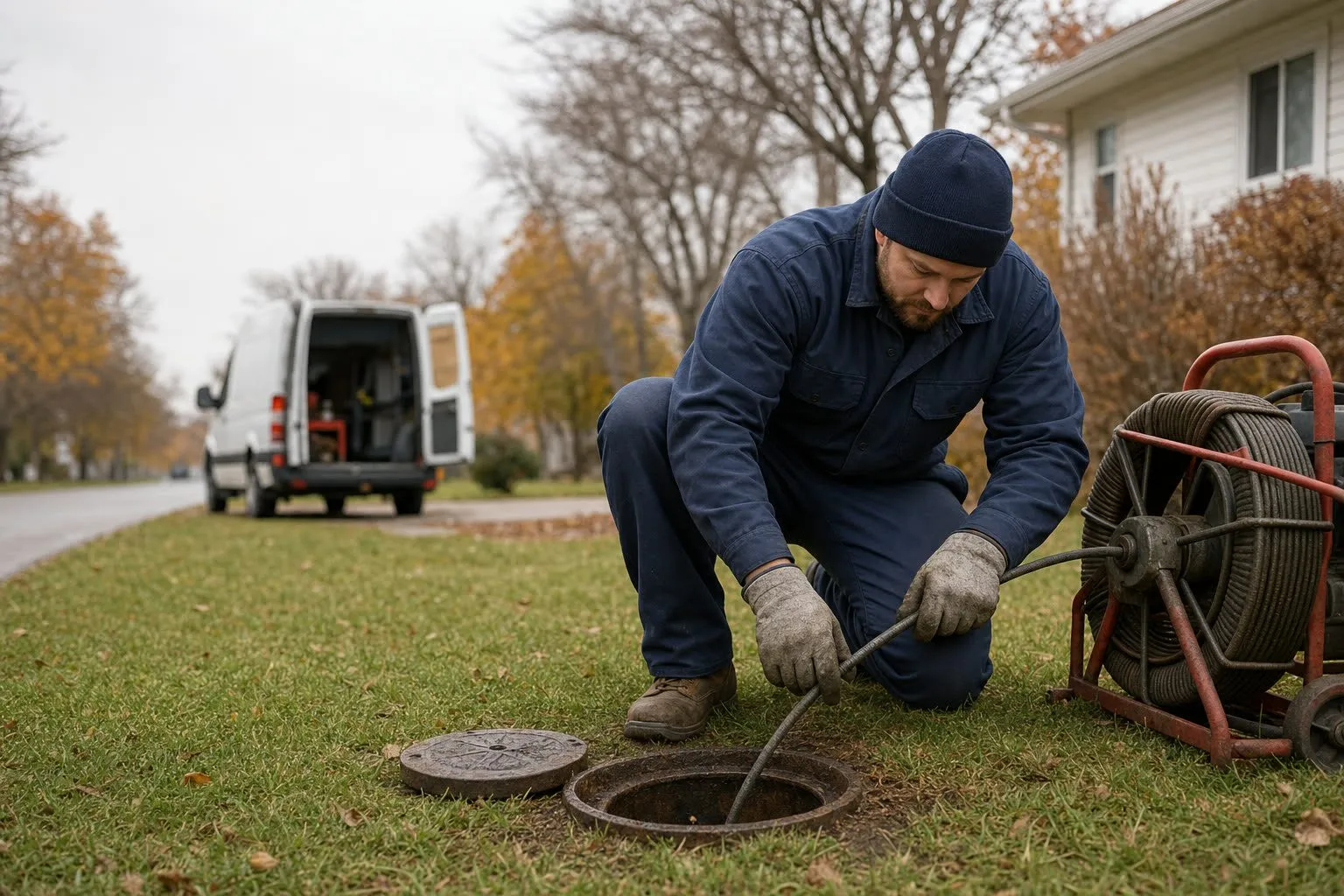
If the inlet or outlet line is slow, greasy, or backing up, hydro jetting can clean the line connected to the trap. This is where drain cleaning equipment and grease trap service overlap.
Why records matter
Restaurants, care facilities, cafeterias, and other commercial kitchens may need service logs or manifests for health department or city records. Keeping a regular schedule helps protect the kitchen from backups and compliance problems.